

Anyone putting together a shortlist of properties in Dubai will usually run into the name JVC. There is a reason for that: over the past 12 months, more residential sales were recorded in Jumeirah Village Circle than in any other neighborhood in the city. This guide is intended for Israeli investors who are considering where to invest in Dubai, whether it is their first investment or they already have experience. It explains what drives the volume of transactions and whether JVC fits their strategy.
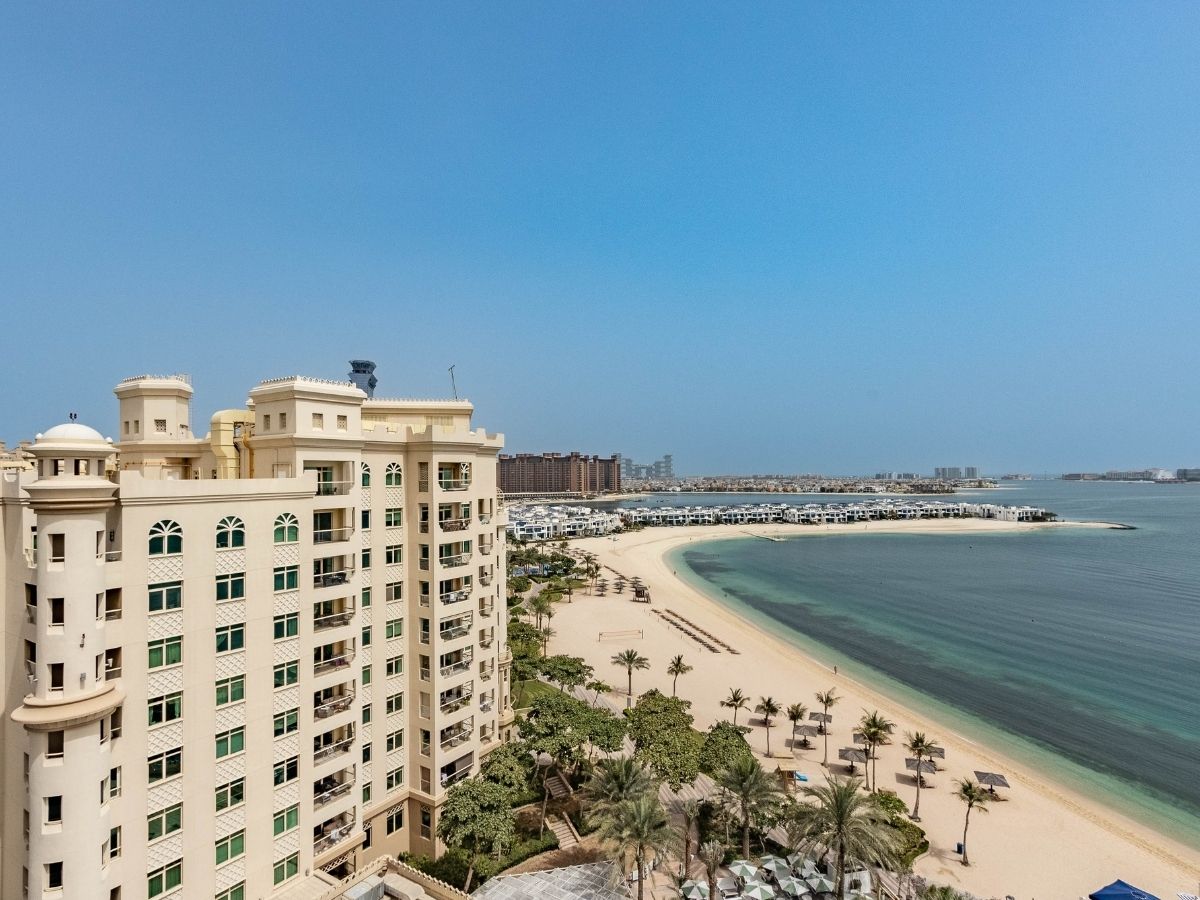
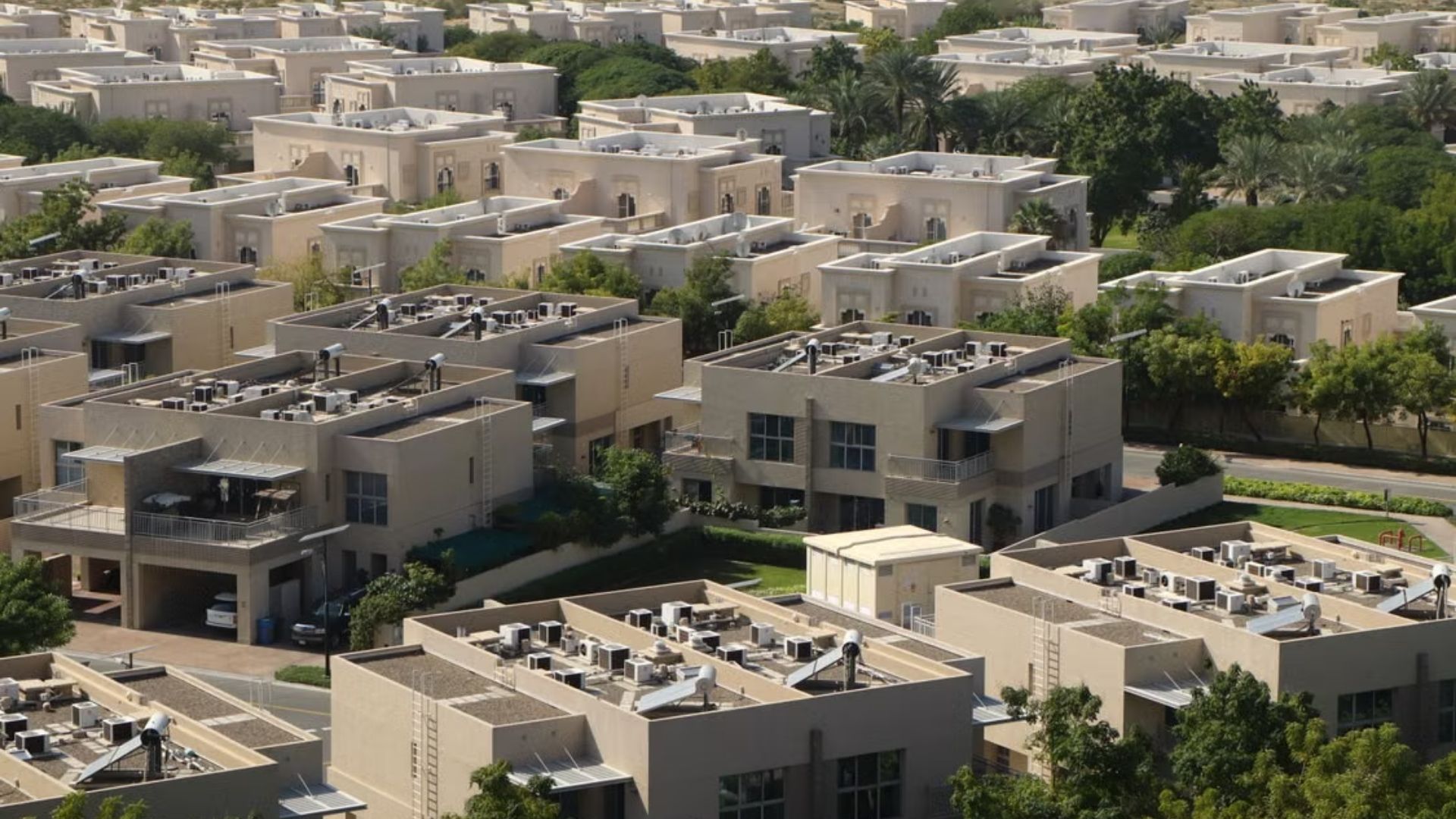
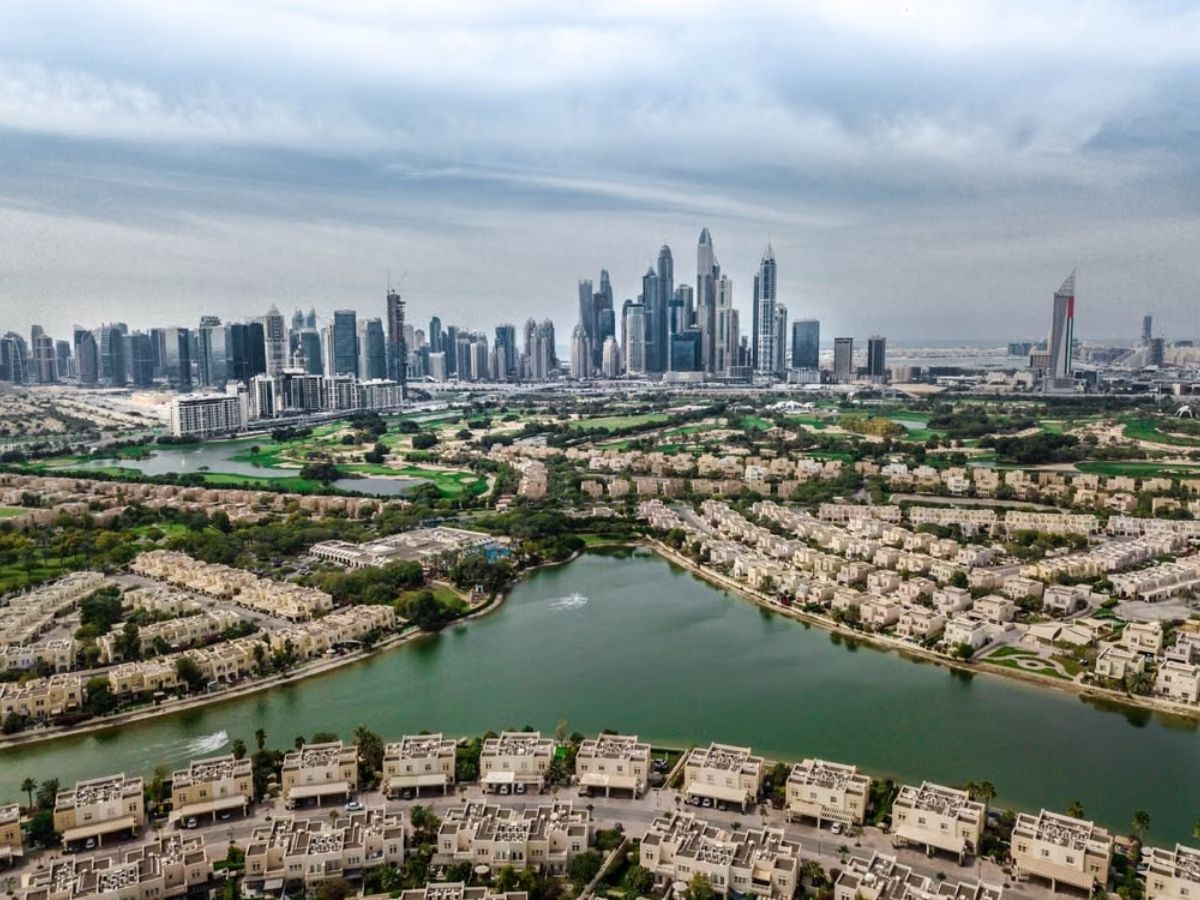
JVC is located in the area known as "New Dubai," between Sheikh Zayed Road and Al Khail Road, about a 20–25 minute drive from Downtown Dubai and Dubai Marina. Nakheel planned the neighborhood on an area of about 870 hectares. Today it is one of the few areas in Dubai where studio apartments, one- and two-bedroom apartments, townhouses and villas are all located in the same freehold area. As a result, citizens of any country, including Israelis, are permitted to buy full ownership of a property there.
Why JVC Leads Dubai in Number of Transactions
The key figure for 2026 is about 14,500 residential transactions recorded in JVC during the past 12 months. That is more than double the transaction volume in many established neighborhoods. Three main factors explain the gap:
Accessible entry price. Studio apartment prices start from about AED 400,000, and one-bedroom apartments at about AED 1,000,000–1,190,000.
Consistent yield. Gross rental yield ranges between 6% and 9%, depending on the property type. Studio and one-bedroom apartments are usually at the upper end of the range.
Wide supply. JVC is home to one of the largest active project pipelines in Dubai. Buyers can choose among dozens of buildings, rather than settling for a small number of towers.
For comparison, the average price per square foot in JVC ranges around AED 1,340–1,450. According to recent market data collected by regional real estate research firms, the price is about 28% below the average for apartments in Dubai as a whole, which stands at about AED 2,000 per square foot. This gap is the main basis for the investment appeal attributed to the neighborhood.
Prices and Yields in JVC by Property Type
| Property Type | Typical Purchase Price in 2026 | Gross Rental Yield |
|---|---|---|
| Studio apartment | AED 470,000–800,000 | 7%–9% |
| One bedroom | AED 1,000,000–1,190,000 | 7%–8% |
| Two bedrooms | AED 1,400,000–1,900,000 | 6%–7.5% |
| Townhouse or villa | From AED 2,200,000 | 5%–6% |
After deducting management and maintenance fees, property management fees and periods when the apartment is not rented, the net yield is usually 1.5–2 percentage points lower than the gross yield. A studio apartment that yields 8% gross will actually leave the investor with about 6% to 6.5% net. Even the lower figure is higher than rental yields in most markets around the world, including the residential rental market in Israel.
JVC vs. Dubai Marina and Business Bay
Israeli investors who examine JVC almost always compare it with Dubai Marina and Business Bay. These are the main differences:
JVC vs. Dubai Marina: Purchase prices in Marina are two to three times higher, partly thanks to the established reputation of the waterfront area. That same reputation pushes the rental yield down to about 4% to 6%. JVC gives up that prestige in favor of higher cash flow, and so may better suit someone for whom ongoing rental income matters more than long-term appreciation in a well-known location.
JVC vs. Business Bay: Business Bay has a higher share of business and short-term tenants, and its yield is around 6% to 8%. Its main advantage is its location in a central business district. JVC attracts more families and professionals seeking long-term rentals. For many property owners, this translates into lower tenant turnover and fewer periods when the apartment sits empty.
JVC vs. JVT
The similar names often cause confusion, so a short comparison is worth adding. Jumeirah Village Triangle, or JVT, is located nearby and offers similar yields, but it is less dense and has a quieter, more residential character. Anyone who does not want the busy environment of JVC, around the mall and the retail, will find in JVT the closest alternative, and not necessarily in Dubai Marina or Business Bay.
Who JVC Suits
JVC does not try to be a luxury destination. It may be especially suited to the following groups:
Investors buying their first property in Dubai and looking for an entry price they can manage, starting at about AED 400,000 for a studio apartment, without having to buy with cash only or take on high leverage.
Investors buying for rental who prefer yield over rapid appreciation, especially those targeting single professionals working near Dubai Media City, Internet City and Business Bay.
Investors building a small, diversified portfolio. For the amount with which one entry-level apartment can be bought in Downtown Dubai, it is sometimes possible to buy two or three studio apartments in JVC. That way the risk related to tenants and vacancy periods is spread across several properties.
On the other hand, JVC suits less someone looking for a luxury property with exceptional appreciation potential, or a quiet, sparsely populated residential environment. For such investors, JVT or Dubai Hills Estate may be more suitable.
The Risks to Take into Account
The main risk in JVC is oversupply. Many developers operate in the neighborhood at the same time, so a large number of units may be handed over within a short period. During such periods, downward pressure on rents can arise in certain buildings. The risk can be reduced in three practical ways:
Prefer buildings close to the main entrances of JVC, on the Al Khail Road side, because they tend to be more sought after by tenants.
Check the building's management and maintenance fees before buying. In a mid-market area like JVC, this has a real effect on the net yield.
Make sure every off-plan property is registered with RERA and that its escrow account is active before transferring funds. This check is essential in every area. The Dubai Land Department's open transaction database makes it possible to verify the yield figures presented by the agency.
Jumeirah Village Circle Scorecard
Location: 6 out of 10. Convenient access via Al Khail Road and Hessa Street, and about a 20–25 minute drive to Downtown or Marina. Still, the neighborhood is not a central destination in itself.
Developer: 7 out of 10. Nakheel originally planned the neighborhood, and dozens of developers operate in it today. The selection is wide, but each building needs to be checked separately.
Project concept: 7 out of 10. The ability to buy a full range of freehold properties, from a studio apartment to a villa, within one neighborhood sets JVC apart from areas intended for a single property type.
Price: 9 out of 10. The price per square foot is about 28% below the average for apartments in Dubai, so this is one of the more accessible entry points to freehold ownership in the city.
Rental potential: 9 out of 10. The gross rental yield, 7% to 9%, is among the highest in Dubai's established neighborhoods.
Appreciation potential: 6 out of 10. The appreciation is steady and not sharp. Most of JVC's appeal comes from ongoing cash flow, not from expectations of exceptional appreciation.
Liquidity: 8 out of 10. The high transaction volume, more than 14,500 sales in 12 months, generally makes it possible to sell or rent a property within a relatively short time.
Bottom line: JVC suits investors focused on yield, and especially first-time buyers who want an accessible and liquid entry point into the Dubai real estate market. It suits less someone looking for a luxury property to hold long term.
As with any strategy focused on a single area, the right decision depends on the full financial picture: the investment period, the amount of leverage, and the need for immediate rental income versus a future sale. It is usually worth spending an hour talking with a verified agency before transferring the capital.
Buying a Property in JVC from Israel
Buying a property in JVC from Tel Aviv or Jerusalem is different from a purchase made in Dubai itself. Distance, banking difficulties and language are the main reasons. These are the points that matter especially for the Israeli buyer:
Work through a licensed and verified agency. In the absence of a direct flight route and because of the limited connection between banking systems in Israel and the UAE, most Israelis prefer an agency with a proven record of accompanying investors from Israel, rather than negotiating directly with the developer's sales office. The agency adds due diligence and Hebrew-language support, which have practical value when the transaction is carried out remotely.
Sort out the payment route before signing. A transfer from an Israeli bank to an escrow account in the UAE may require additional compliance checks. Clarify the money trail and the exact timeline with the agency and the developer before the down payment is due.
Include in the budget a 4% DLD transfer fee and the agency's commission. These are standard costs across Dubai, regardless of area, but they are easy to underestimate when comparing the advertised price of the apartment with the total cash required for the transaction.
Decide whether you need to travel to the UAE before completing the transaction. Many transactions in JVC, especially off-plan purchases, can be carried out remotely by power of attorney. Even so, someone buying for the first time who is unfamiliar with the market may benefit from at least one inspection of the building in person.
Plan the sale or the rental management in advance. Most tenants in JVC are working professionals who sign a one-year contract. If the property will be managed from Israel through a local company, include in the net yield calculation management fees at a typical rate of 5% to 8% of rental income. It is worth doing this calculation before the purchase, and not after the first tenant moves in.
These steps are not unique to JVC, but their importance grows in an area where transaction volume is high and one sometimes has to choose among dozens of similar buildings. The quality of the advice received before signing may be just as important as the property itself.
Frequently Asked Questions
What is the average price per square foot in Jumeirah Village Circle in 2026?
The average price in JVC ranges in 2026 around AED 1,340–1,450 per square foot. That is about 28% less than the citywide average for apartments in Dubai, making it one of the more accessible freehold neighborhoods in the city.
What rental yield can be expected from an apartment in JVC?
In studio and one-bedroom apartments, the gross rental yield usually ranges between 7% and 9%. In two-bedroom apartments it ranges between 6% and 7.5%. After deducting management and maintenance fees and property management fees, the net yield is usually 1.5–2 percentage points lower.
Is JVC suitable for someone investing in Dubai real estate for the first time?
Yes. Moderate entry prices, rental demand from single professionals working nearby, and a large selection of active buildings make JVC one of the more accessible ways to buy a first property in Dubai.
Are Israeli citizens permitted to buy full ownership of a property in JVC?
Yes. JVC is designated as a freehold area, so buyers from any country, including Israeli citizens, can hold full ownership of a property. The usual DLD registration procedures apply, as they do in any similar area in the Emirates.
What is the main risk of investing in JVC?
The main risk is local oversupply, which arises when a large number of new buildings are handed over in a short period. This may put pressure on rents in certain buildings. Building-level due diligence, including management and maintenance fees, occupancy trends and developer history, reduces the risk considerably.
This guide is based on public market data from 2026 collected from regional research sources, and is intended for general information only. Dubai Index works with licensed and verified agencies to help Israeli investors examine opportunities in JVC according to their goals. You can contact us for a customized comparison.