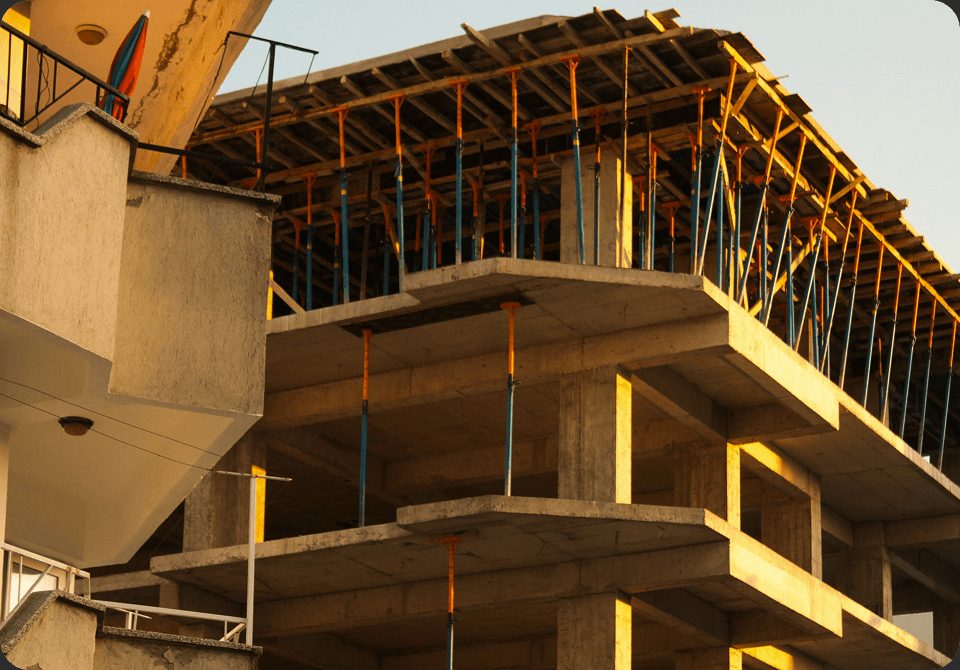


Off-plan in Dubai in 2026 is no longer a niche strategy. It is now the mainstream way people buy property in the city. In the first half of the year, off-plan units accounted for roughly 71 percent of all home sales, and Dubai recorded 87,800 transactions worth AED 291.7 billion in that period alone. Those are not small numbers, and they explain why so many Israeli investors ask the same question before they sign anything: is it actually worth it, or is the hype outrunning the fundamentals?
The honest answer is that off-plan in Dubai in 2026 can still be a strong move, but it rewards a very different mindset than it did a few years ago. The market has matured. Buyers now have more delivered stock to compare against, developers face closer scrutiny, and the easy "any launch will do" approach is quietly punishing the people who still use it. This article walks through what the current data actually shows, where the risk sits, and how to decide if an off-plan purchase fits your goals this year.
What the 2026 Numbers Actually Show
Before weighing the pros and cons, it helps to see the scale of what is happening. According to Dubai Land Department figures reported through mid-2026, roughly 66 to 71 percent of all registered sales this year have been off-plan, depending on the month and the data source used. Around 121,000 new residents arrived in Dubai during the first six months of 2026 alone, which continues to feed demand for new housing stock.
At the same time, average property prices across the city rose about 9 percent in the first half of 2026, while the market also delivered roughly 24,800 new homes in the same window, the largest half-year delivery wave in years. That combination matters. More finished supply means buyers finally have real, walkable comparisons instead of only renders and brochures, and that is starting to change how people negotiate.
A few data points worth remembering:
- Off-plan sales made up about 71 percent of Dubai's 87,800 H1 2026 transactions, worth AED 291.7 billion in total.
- Nearly 67 percent of off-plan buyers purchased studios or one-bedroom units, a pattern that points to investor demand rather than end-user demand.
- New project launches fell around 68.5 percent year on year in early 2026, meaning less fresh inventory is entering the pipeline even as demand holds up.
- Dubai South led the city for off-plan apartment transactions in H1 2026, with over 7,300 sales in that district alone.
Taken together, this points to a market that is still very active, but noticeably more selective than it was during the earlier boom years. Fewer new launches and rising completed supply mean the buyers who do the homework are in a stronger position than those simply chasing the next glossy brochure.
The Real Case for Buying Off-Plan in Dubai in 2026
There are genuine reasons off-plan in Dubai in 2026 still appeals to overseas buyers, Israeli investors included. The most obvious is the payment structure. Most developers still offer extended plans, commonly something like 60 percent paid across construction milestones and the remaining 40 percent spread over one to three years after handover. That structure lowers the upfront cash needed compared with a ready resale property bought with a mortgage.
Off-plan units also tend to launch below the eventual resale price of comparable completed units in the same community, particularly in growth corridors such as Dubai South. Buyers who purchase early in a project's life, and who hold through construction and into a rising handover market, have historically captured meaningful appreciation. This is not guaranteed, but it has been the pattern in well-located, well-executed projects.
There is also a residency angle that matters specifically to foreign investors. DLD recently removed the minimum property-value requirement tied to a renewable UAE residency visa, which has widened the pool of off-plan buyers who can pair a purchase with a path to residency. For Israeli buyers weighing Dubai against other markets, that combination of tax-free rental income, a payment plan, and a residency route is a large part of the appeal.
The Risks Nobody Puts in the Brochure
However, the data also shows a less flattering side of off-plan in Dubai in 2026, and it is the side most sales presentations skip over.
Delivery delays remain structural rather than occasional. Independent trackers put the share of Dubai off-plan projects experiencing some delay at roughly 40 to 50 percent, with the average delay across all developers sitting near 8.5 months. Tier-1 developers such as Emaar and Sobha deliver on time in roughly 80 to 90 percent of cases, with typical delays of only three to five months when they do slip. Smaller, newer developers tell a very different story, with on-time delivery rates below 70 percent and average delays stretching to 10 to 18 months, occasionally longer.
Standalone towers built outside master-planned communities have the worst track record, with delay rates reported above 55 percent in some corridors. Projects inside large master-planned communities such as Dubai Hills Estate or Dubai Creek Harbour fare much better, with delay rates closer to 25 percent. Location and developer reputation, in other words, are not just lifestyle factors. They are risk-management tools.
Service charges are another area where buyers routinely underestimate the real cost. Across Dubai, annual service charges typically range from about AED 10 to AED 35 per square foot depending on the building and community, with luxury towers reaching AED 50 to AED 70 per square foot. On a 1,500 square foot unit, that difference alone can swing annual costs by tens of thousands of dirhams, and it directly compresses net rental yield once the property is handed over.
A quick summary of what to check before you commit:
- Developer track record: request the completion history for the developer's last three projects, not just the one being marketed to you.
- Escrow status: confirm the project is registered with DLD and that payments sit in a regulated escrow account under Law No. 13 of 2008.
- Realistic delivery date: add the average delay for that developer's tier to the marketed handover date, rather than trusting the brochure date at face value.
- Service charge estimate: ask for the current Mollak-registered service charge on comparable delivered units in the same master community, not the developer's own projection.
Off-Plan vs Ready: A Fast Comparison
| Factor | Off-plan | Ready property |
|---|---|---|
| Upfront cash needed | Lower, spread over construction and post-handover | Higher, typically 20 to 25 percent down plus fees |
| Delivery risk | Moderate to high, depends heavily on developer tier | None, property already exists |
| Rental income | Starts only after handover, which can be delayed | Can start immediately after purchase |
| Price entry point | Often below comparable ready units at launch | Reflects current market value |
| Best suited to | Investors with a multi-year horizon and cash flexibility | Buyers who want income or a home now |
Neither option is universally "better." The right choice depends on whether your priority is a lower entry price and longer time horizon, or immediate rental income with no delivery uncertainty.
Who Should Actually Consider Off-Plan This Year
Off-plan in Dubai in 2026 tends to work best for buyers who can genuinely absorb a delay of six to twelve months without it derailing their plans, who are buying with a three-to-seven-year horizon rather than looking for a quick flip, and who are prepared to research the specific developer rather than the marketing name attached to the project.
It tends to work poorly for buyers who need rental income starting immediately, who are stretching their budget to the edge based on the brochure completion date, or who are purchasing purely because "everyone else is doing it." Given that nearly 67 percent of off-plan buyers this year purchased studios and one-bedroom units, much of this activity is clearly investor-driven rather than owner-occupier driven, so it pays to be honest with yourself about which category you fall into.
For Israeli buyers specifically, distance adds an extra layer of due diligence. You are unlikely to visit the construction site every quarter, so lean on verified agency listings and request DLD's official project status through the Dubai REST service rather than relying only on developer updates. Dubai Index's property comparison tools can also help you benchmark a specific launch against delivered prices in the same community before you commit.
Frequently Asked Questions
Is off-plan property in Dubai still a good investment in 2026?
It can be, but the market has become more selective. Off-plan still made up about 71 percent of H1 2026 sales, yet delivery delays affect roughly 40 to 50 percent of projects, so the outcome depends heavily on choosing a proven developer inside an established master community rather than the segment as a whole.
How long are off-plan delays in Dubai typically?
The citywide average delay is around 8.5 months, but this varies sharply by developer tier. Top-tier developers average three to five months, while newer or smaller developers average ten to eighteen months, and in some cases longer.
What is a typical off-plan payment plan in Dubai?
A common structure is roughly 60 percent paid across construction milestones, with the remaining 40 percent spread over twelve to thirty-six months after handover, though exact terms vary by developer and project.
Are off-plan properties protected if a developer delays or fails to deliver?
Yes, to an extent. Projects must be registered with DLD, and buyer payments are held in escrow accounts regulated under Law No. 13 of 2008. Buyers facing serious delays can file a complaint with RERA, and in some cases pursue cancellation and a refund, though the exact outcome depends on the terms of the sales and purchase agreement.
Which areas are seeing the most off-plan activity in 2026?
Dubai South led the city for off-plan apartment sales in H1 2026 with over 7,300 transactions, driven by its proximity to Al Maktoum International Airport and Expo City. Established master communities such as Dubai Hills Estate and Dubai Creek Harbour also continue to attract strong off-plan demand with comparatively lower delay rates.
If you are weighing an off-plan purchase against a ready alternative, Dubai Index's services team can walk through the developer's track record and the project's escrow status with you before you sign anything.