

Choosing between off-plan vs ready property Dubai investors face is one of the first real decisions on the road to buying UAE real estate — and it's not a simple "cheaper vs. safer" call. According to Dubai Land Department (DLD) transaction data, off-plan sales made up roughly 66% of all residential deals recorded between January and July 2026, while ready property accounted for the remaining third. Both routes have produced strong returns for different types of buyers. This guide breaks down exactly how they compare on cost, income, risk and paperwork, so first-time investors can pick the option that actually fits their goals — not just the one with the flashiest brochure.
In short: off-plan property means buying from a developer before construction finishes, at a lower entry price with a staged payment plan, but no rental income until handover. Ready property is a completed, inspectable unit that can generate rent immediately, usually at a higher purchase price.
What Is Off-Plan Property in Dubai?
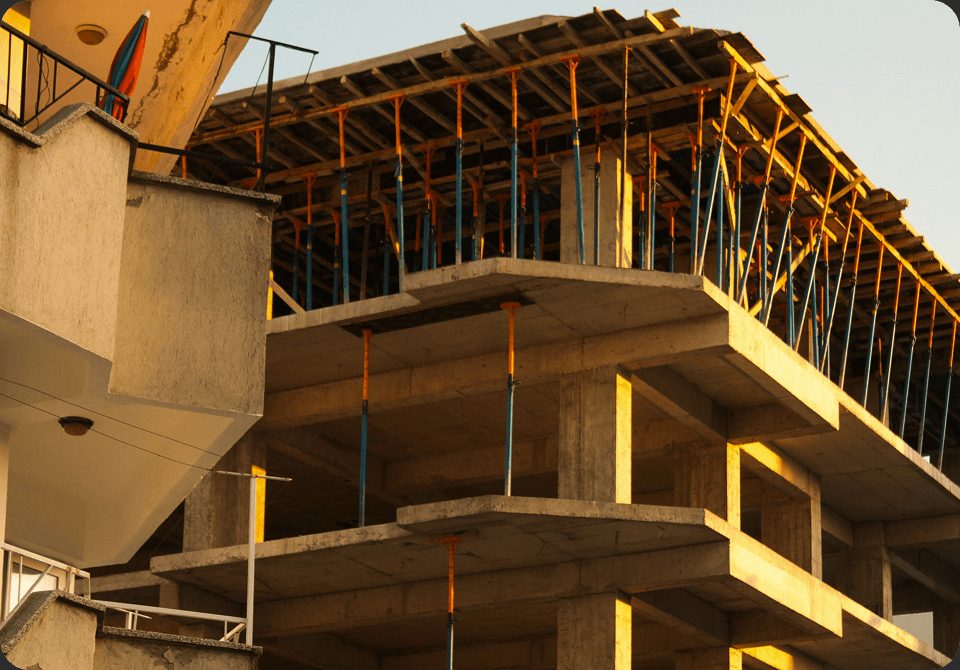
Off-plan property is a unit purchased directly from a developer before it is built or completed. Buyers typically reserve a unit with a booking deposit, then pay the balance in installments tied to construction milestones, or through a post-handover payment plan.
The appeal is straightforward: entry prices are usually lower than comparable completed units, and developers compete on flexible payment structures rather than discounting the headline price. Data from a 2026 market analysis found the off-plan premium — the price gap between off-plan and ready units in the same category — had widened to around 31%, up from 17% in 2023. In other words, off-plan buyers are increasingly paying more for the promise of future value, which makes project and developer selection more important than ever.
Every off-plan purchase in Dubai must be registered through the Oqood system, DLD's interim register for pre-completion sales. This is what gives a buyer legal standing before the title deed exists.
What Is Ready Property in Dubai?
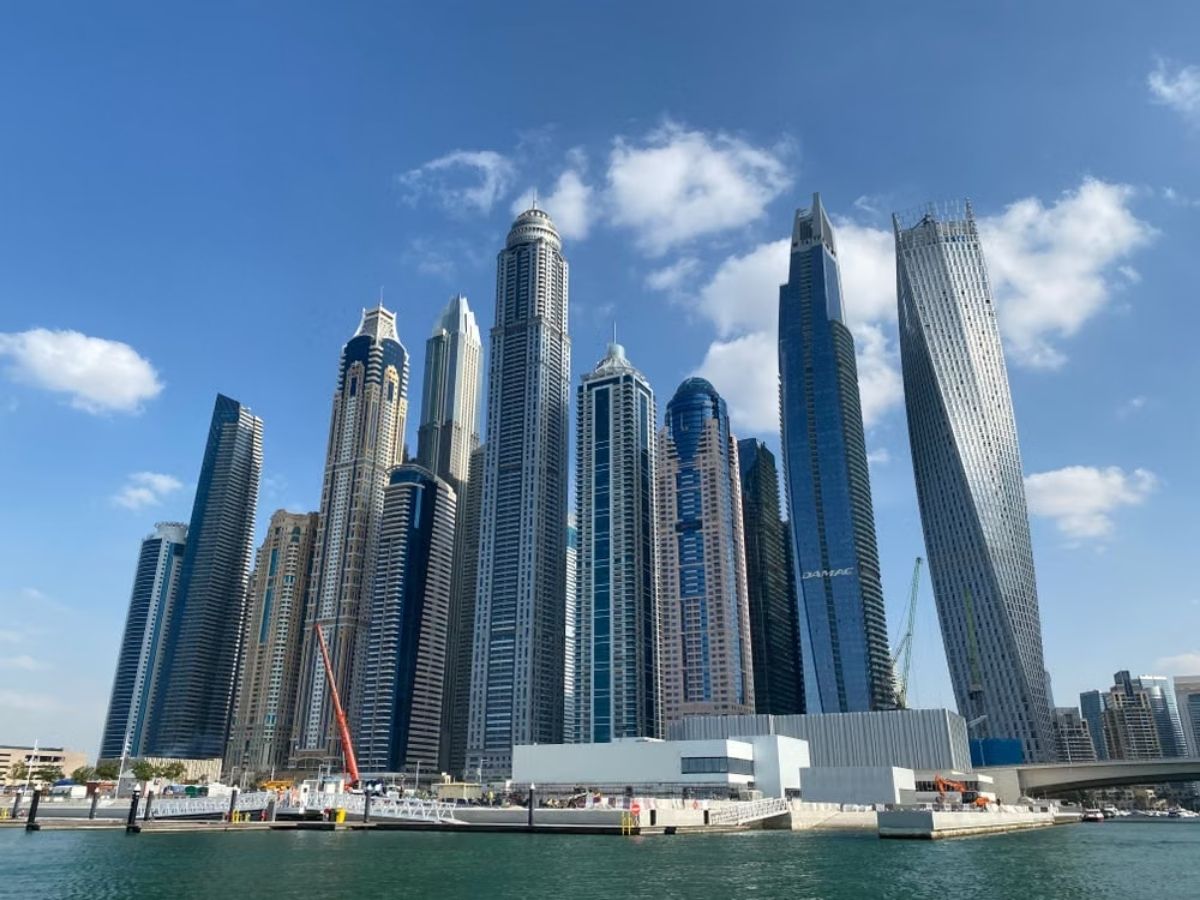
Ready property is a completed unit — whether newly handed over by a developer or resold on the secondary market — that a buyer can inspect, finance conventionally, and rent out immediately after transfer. For many first-time investors, this tangibility is the biggest draw: what you see is what you own, with no construction timeline standing between purchase and income.
Ready units also open up financing options that off-plan generally cannot. Mortgage lenders in the UAE typically restrict financing to completed or near-complete properties, which matters for investors who can't fund a purchase entirely in cash.
Off-Plan vs Ready Property Dubai: Key Differences at a Glance
The table below summarizes how off-plan vs ready property Dubai investments compare across the factors that matter most to a first-time buyer.
| Factor | Off-Plan Property | Ready Property |
|---|---|---|
| Entry price | Lower, but premium has grown to ~31% vs. ready (2026) | Higher, reflects current market value |
| Payment structure | Staged (e.g. 60/40, 70/30, 80/20, post-handover plans) | Full payment or mortgage at transfer |
| Rental income | None until handover | Immediate, once tenanted |
| Inspection | Not possible — based on plans and developer reputation | Full physical inspection before purchase |
| Financing | Limited; most banks won't mortgage pre-completion units | Standard mortgage financing widely available |
| Legal protections | RERA-mandated escrow account, Oqood registration, refund rights if project is cancelled | Direct title transfer through DLD |
| Typical holding horizon | 3-5+ years, includes construction period | Immediate use or income |
Payment Plans, Costs and Financing
One of the clearest advantages of off-plan property is payment flexibility. Developers commonly offer structures such as 60/40 (60% during construction, 40% on handover), 70/30, 80/20, or extended post-handover plans that let buyers keep paying for one to three years after moving in. This lowers the upfront cash requirement significantly compared to buying ready.
Ready property, by contrast, usually requires the full purchase price at transfer — either in cash or through a mortgage. Because banks generally only lend against completed or near-complete assets, ready property is often the more realistic route for investors who need financing rather than paying outright.
Regardless of which path an investor takes, Dubai Land Department applies a standard 4% property registration fee on every sale, typically split with 2% payable by the buyer and 2% by the seller, alongside admin and trustee fees. Buyers using a mortgage should also budget for a mortgage registration fee. check current DLD fee schedule
Rental Income, Yields and Risk
This is where the off-plan vs ready property Dubai comparison gets personal, because it comes down to cash flow versus patience.
Ready property starts earning from day one. Gross rental yields across Dubai currently range from roughly 4.9% to 7.1% depending on area, based on DLD-backed rent and sale data, with select high-demand communities reporting yields above 9%. An investor who buys ready in a proven rental community like Dubai Marina, Business Bay, or Jumeirah Village Circle can typically secure a tenant within weeks.
Off-plan property produces zero income during construction — which, in Dubai's current pipeline, commonly means a two- to four-year wait. The trade-off is potential capital appreciation: well-selected off-plan units in strong locations have historically gained meaningful value between launch and handover. But this isn't guaranteed. Analysts at Fitch have flagged that increased housing supply could put downward pressure on prices into 2026, which is exactly why generic "off-plan always appreciates" advice deserves healthy skepticism.
What's the main risk difference between off-plan and ready property in Dubai? Off-plan carries construction and developer-delivery risk — the project might be delayed, though RERA's escrow requirements protect buyer deposits and guarantee refunds if a project is cancelled. Ready property carries market and tenant risk — vacancy periods, service charges, and maintenance costs that reduce net yield.
There's also a residency angle worth knowing: as of a February 2026 policy update, the UAE removed the requirement for a 50% (or AED 1 million) upfront payment for off-plan buyers seeking Golden Visa eligibility. As long as the property's DLD-certified valuation reaches the qualifying amount, off-plan buyers may now have an easier path to the 10-year renewable Golden Visa than in previous years — a meaningful consideration for Israeli investors weighing residency alongside returns.
Buyers of both property types benefit from UAE-mandated legal protections, including a structural warranty period from the developer and a defect liability window after handover, along with DLD's title registration system that records ownership clearly once a sale completes. browse verified developer profiles
Which Should First-Time Investors Choose?
There's no universal winner in the off-plan vs ready property Dubai debate — the right choice depends on three questions:
- Do you need income now, or can you wait? If cash flow matters, ready property wins. If you can absorb a multi-year wait, off-plan's appreciation potential may be worth it.
- Are you financing with a mortgage? Ready property is far more compatible with conventional bank financing.
- How much can you verify? With ready property, you can inspect the unit and check real, observable rents. With off-plan, you're trusting a developer's track record, an escrow account, and a construction timeline.
For many first-time investors, ready property offers a gentler introduction to the Dubai market: fewer moving parts, immediate feedback on whether the investment is performing, and simpler financing. Off-plan can still make sense for a first-timer with a longer horizon, provided they buy from an established, RERA-registered developer with a strong delivery history — never based on launch hype or discount pressure alone.
This is exactly the kind of decision where working with a verified Dubai Index agency partner helps — someone who can pull real DLD comparables for the specific area and unit type you're considering, rather than relying on a developer's marketing projections.
Whichever path fits your goals, the fundamentals of Dubai's market — zero property tax, strong regulatory oversight through DLD and RERA, and a growing population supporting rental demand — apply to both off-plan and ready buyers alike. The decision isn't about which property type is "better." It's about which one matches your timeline, your cash position, and how much uncertainty you're comfortable holding.
Frequently Asked Questions
Is off-plan or ready property a better investment in Dubai?
Neither is universally better — off-plan tends to suit investors chasing capital appreciation with a multi-year horizon, while ready property suits those who want immediate rental income, easier mortgage financing, and the ability to inspect the asset before buying.
Can I get a mortgage for an off-plan property in Dubai?
It's uncommon. Most UAE banks only offer mortgage financing on completed or near-complete properties, which is one reason off-plan purchases rely more heavily on developer payment plans.
What happens if a developer cancels an off-plan project in Dubai?
RERA requires off-plan projects to be sold through an escrow account. If a project is cancelled, registered buyers are entitled to a refund of payments made, subject to DLD and RERA procedures.
Do off-plan properties in Dubai qualify for the Golden Visa?
Off-plan properties can qualify, provided the DLD-certified valuation meets the required investment threshold. Recent policy changes have adjusted the upfront payment requirements, so buyers should confirm current conditions before relying on this route.
What rental yields can I expect from ready property in Dubai?
Gross rental yields across Dubai currently range from roughly 4.9% to over 9% depending on the area, property type, and tenant demand, based on DLD-backed rent and sale data.
This article is for general informational purposes and does not constitute financial or legal advice. Figures reflect market data available at the time of writing and should be verified against current DLD/RERA sources before making an investment decision. For guidance tailored to your situation, Dubai Index works with verified, licensed agencies who can walk you through specific projects and areas.