

More Common Than You Might Think
An Islamic mortgage in Dubai, formally known as Islamic home finance, is a core part of the UAE mortgage market.
Most banks in the country offer Sharia-compliant options. Even banks that aren't dedicated Islamic institutions usually run a separate Islamic finance division.
How Is an Islamic Mortgage in Dubai Different From a Conventional One?
The main difference lies in the legal and religious structure of the transaction.
A conventional mortgage is a loan on which interest is paid. Islamic finance avoids interest-bearing loans and builds the transaction around ownership and leasing.
The typical structure looks like this:
- The bank pays the seller directly and effectively buys the property.
- The bank and the buyer sign a lease agreement. The bank is the lessor and the buyer is the lessee.
- The buyer pays the bank monthly payments in the form of rent over an agreed term, usually around 20 years.
- At the outset, a promise to sell the property is also signed, setting the terms for the future transfer of ownership in advance.
- At the end of the term, full ownership passes to the buyer.
Practical example: A buyer wants to purchase a property worth AED 2,000,000 using Islamic finance. The bank buys the property and signs a 20-year lease agreement with the buyer, along with a promise to sell that sets the ownership transfer terms in advance.
The buyer pays the bank a fixed monthly amount for 20 years. Financially, the payment is similar to a mortgage repayment covering principal and interest. At the end of the term, full ownership passes to the buyer with no further payment, in line with the terms agreed at signing.
How the two options compare:
| Feature | Islamic home finance | Conventional mortgage |
|---|---|---|
| Transaction structure | Lease ending in ownership, known as Ijara | Interest-bearing loan |
| Legal owner during the finance term | The bank | The buyer, with the property mortgaged to the bank |
| Monthly payment | Lease payment covering the purchase cost and the profit margin | Principal and interest repayment |
| Estimated monthly cost | Usually within a few hundred dirhams of the conventional option | The benchmark |
| Early settlement | The profit margin is sometimes fixed upfront in the payment schedule | Standard interest and settlement fee mechanism |
The difference usually isn't in the monthly cost but in the early settlement terms. In many Islamic contracts, the profit margin is calculated upfront and built into the lease schedule. As a result, the terms for early closure may differ from those of an interest-bearing loan.
It's important to check this clause with the bank before signing.
Because the whole structure of the deal, including the future transfer of ownership, is set in advance, both parties know from day one how the arrangement is meant to work.
Another Option: Murabaha
Some banks also offer a structure called Murabaha. Here the bank buys the property and immediately sells it to the buyer at a price that includes a profit margin agreed in advance. The buyer pays that price in installments over the term.
Unlike Ijara, ownership passes to the buyer at the start of the deal, and the bank registers a mortgage on the property until the payments are complete. Because the total price is fixed upfront, the payments stay the same throughout the term. Ask your bank which structures it offers and how they differ on early settlement terms.
Is Islamic Finance More or Less Expensive?
In most cases, the overall commercial cost is similar to a conventional mortgage. Payment amounts, fees and insurance requirements are usually in a similar range.
The difference is mainly structural and religious, not necessarily financial. Instead of an interest-bearing loan, it's a product built around purchase, leasing and transfer of ownership. That's why it appeals to buyers who want to avoid interest-based finance for reasons of faith.
Who Can Get Islamic Finance?
Islamic home finance in the UAE isn't restricted to any particular religion or nationality. It's open to Muslims and non-Muslims, residents and non-residents.
Eligibility is subject to the same general criteria as conventional mortgages: income verification, banking history and LTV limits.
The Bottom Line
If you prefer to avoid an interest-bearing loan structure, an Islamic mortgage is a well-established, widely used option in Dubai, not a niche product.
Because the lease terms and the promise to sell are set at the start of the agreement, it's worth asking a professional advisor to explain the payment schedule and exactly when legal ownership passes to you.
The finance agreement is registered on the property through the Dubai Land Department's mortgage registration service, the same official process used for conventional mortgages.
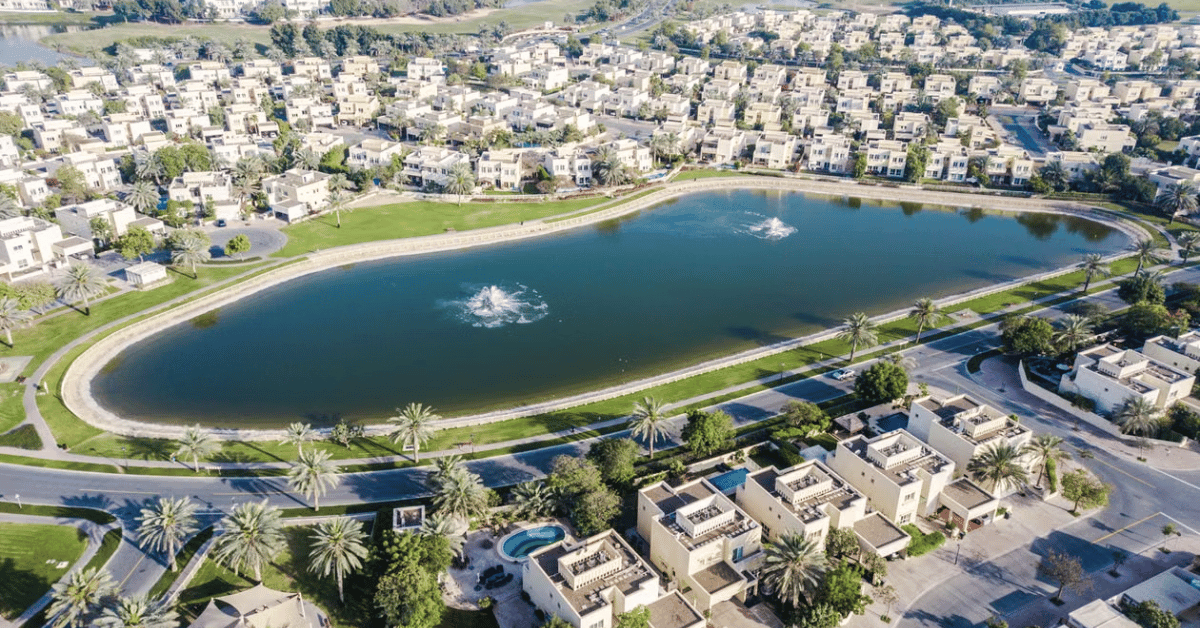
Area Spotlight: Arabian Ranches 3
Arabian Ranches 3 is particularly well suited to families planning to live in the property long term, exactly the audience that tends to be interested in a lease-to-own structure.
Location: 7 | Developer: 9 | Concept: 8 | Pricing: 6 | Rental: 6 | Appreciation potential: 7 | Liquidity: 6
Verdict: As a villa community, rental yield and liquidity stay moderate. That can be a reasonable trade-off for buyers planning to hold the property for the long term rather than sell it quickly.
FAQs
Is an Islamic mortgage more expensive than a conventional mortgage? Usually not. The overall commercial cost is similar. The main difference is the structure: leasing and transfer of ownership instead of an interest-bearing loan.
Can a non-Muslim apply for Islamic finance? Yes. It's open to people of all religions and nationalities.
Who holds legal ownership during the lease term? The bank, after buying the property from the seller. The buyer lives in the property as the lessee and pays toward full ownership.
Is it available to non-residents? Yes. The general eligibility criteria, including income, banking history and LTV, apply to both residents and non-residents.
Can I switch from a conventional mortgage to Islamic finance, or vice versa? Yes, but it usually requires refinancing: paying off the existing loan and opening a new agreement. That involves fees and a new eligibility assessment, not a simple contract conversion.
Further Reading
For the full picture, read our complete guide to mortgages in Dubai.
- Dubai LTV ratios and loan limits
- Non-resident mortgages in Dubai
- Why use a mortgage broker in Dubai
- Dubai Index mortgage and financing service
Interested in Sharia-Compliant Home Finance?
Dubai Index helps buyers find projects and banks offering Islamic finance suited to their profile. Contact Dubai Index to explore your options.